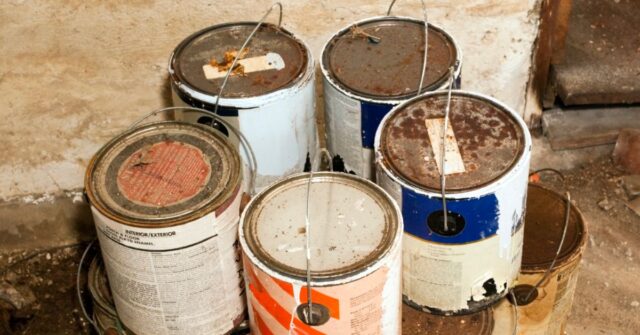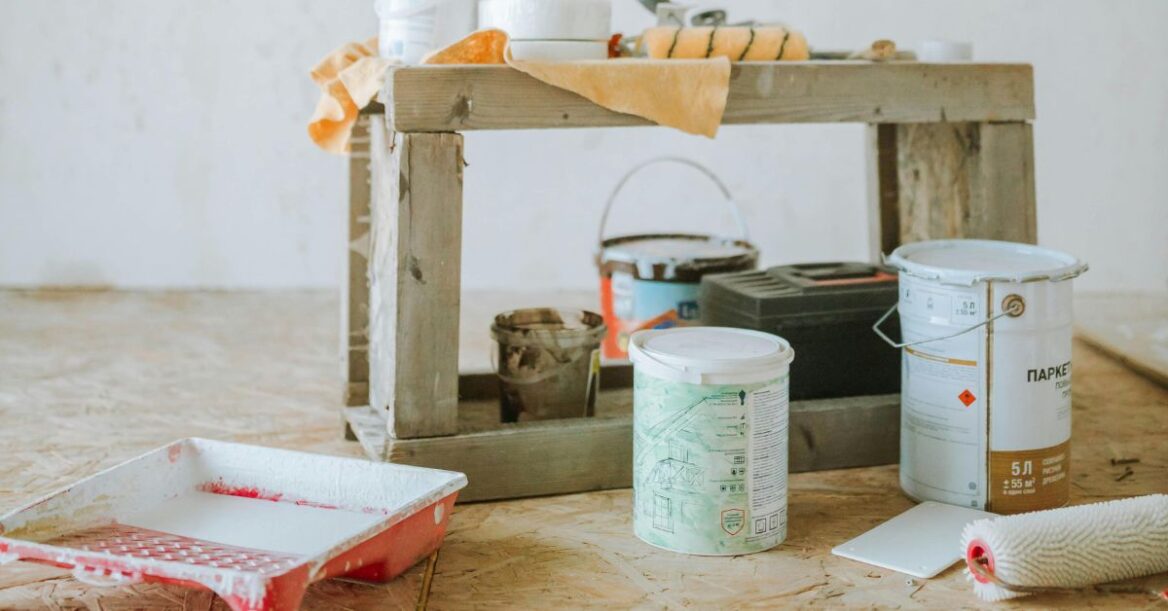
Finishing a painting project often leaves you with a partially used tin of paint. Instead of throwing it away or forgetting about it in the garage, storing leftover paint properly can save time and money later.
When sealed and stored correctly, leftover paint is perfect for future touch-ups, small repairs, or fixing everyday wall marks. Poor storage, however, can cause paint to dry out, separate, or develop unpleasant odours.
This guide explains how to store leftover paint safely so it remains usable for years. You will also learn where to store it, how long it typically lasts, and how to recognise when paint is no longer suitable to use.
Why Proper Paint Storage Matters
Paint may look durable once it dries on a wall, but inside the can it is sensitive to air, moisture, and temperature changes. Exposure to these elements can quickly degrade its quality.
Improper storage can lead to issues such as:
- Thick skin forms on the surface
- Contamination from dust or dried paint fragments
- Separation that will not remix properly
- Sour or unpleasant smells
Storing paint correctly helps preserve its original consistency and colour accuracy. This becomes especially valuable when small touch-ups are needed months after a project is finished.
Professional painters often keep labelled leftover paint for future maintenance. Paint colours and formulas can change over time, so having the original paint available is often the easiest way to guarantee a perfect match.
Step-By-Step Guide To Storing Leftover Paint
To keep leftover paint usable, the main goal is to protect it from air exposure and extreme temperatures. A few simple steps after finishing your painting project can make a significant difference.
Step 1: Clean The Rim Of The Paint Can
Before closing the lid, wipe any paint from the rim of the can using a damp cloth.
Paint left on the rim can prevent the lid from sealing properly. It may also dry and flake into the paint later, creating lumps or contamination.
Cleaning the rim ensures the lid sits flush and forms a proper airtight seal.
Step 2: Seal The Lid Tightly
Place the lid evenly on the can and press it down into position.
Using a hammer with a cloth over the lid, or a rubber mallet, gently tap around the outer edge until the lid is fully sealed. Avoid striking the centre of the lid, as this can bend the metal and damage the seal.
Some painters place a piece of plastic wrap over the opening before closing the lid to create an extra barrier against air. Another professional trick is storing the can upside down so the paint itself forms a tighter seal around the lid.
Step 3: Label The Paint Clearly
Leftover paint becomes far more useful when it is clearly labelled.
Write the following information on the can:
- The room or surface that was painted
- The paint colour name or code
- The brand of paint
- The finish type, such as matte, satin, or semi-gloss
- The date of the project
This small step prevents confusion later. Without labels, homeowners often end up opening several old tins trying to figure out which one matches the wall.
Step 4: Store Paint In A Cool, Dry Location
Paint lasts longest when stored in a stable indoor environment.
Suitable locations include:
- Interior cupboards
- Laundry cabinets
- Indoor storage shelves
- Utility or storage rooms
These areas typically maintain consistent temperatures and protect paint from direct sunlight.
It is also best to keep paint cans on shelves rather than directly on concrete floors, which can transfer temperature changes to the paint.
Step 5: Protect Paint From Extreme Temperatures
Extreme heat and freezing temperatures can both damage paint.
High temperatures can cause the ingredients in paint to separate or degrade. Freezing temperatures can permanently ruin water-based paints such as acrylic or latex.
For this reason, garages and outdoor sheds are often poor storage locations. In many parts of Australia, enclosed sheds or garages can become extremely hot during summer, which shortens the life of stored paint.
Keeping paint in a temperature-stable indoor space will help it last much longer.
Best Places In Your Home To Store Leftover Paint
Choosing the right storage location plays a big role in how long paint remains usable.
Good places to store leftover paint include:
- Interior cupboards
- Laundry cabinets
- Storage rooms
- Climate-controlled garages
These areas tend to have more stable temperatures and less exposure to sunlight.
Many painters recommend storing paint near other household maintenance supplies. These spaces are usually cool, dry, and protected from sudden temperature changes.
Where possible, keep paint on shelves rather than directly on the floor to reduce exposure to moisture and temperature fluctuations.
Places You Should Never Store Paint
Certain storage locations can cause paint to deteriorate quickly.
Avoid storing leftover paint in:
- Outdoor sheds
- Hot garages during summer
- Areas exposed to direct sunlight
- Near heaters or hot water systems
- Areas accessible to children or pets
Repeated heating and cooling cycles can damage paint over time. A stable indoor storage environment helps prevent this and keeps paint usable for longer.
How Long Does Leftover Paint Last?
When sealed and stored correctly, leftover paint can remain usable for many years.
Typical lifespan estimates include:
- Water-based or acrylic paints: about 5 to 10 years
- Oil-based paints: up to 10 to 15 years
Several factors influence how long paint lasts, including how well the lid was sealed, storage temperature, and whether contaminants entered the can.
In practice, well-sealed paint stored indoors can often be used successfully for touch-ups several years after the original project.
How To Tell If Stored Paint Has Gone Bad
Before using stored paint, it is important to check that it is still in good condition.
Signs that paint may no longer be usable include:
- A strong sour or rotten smell
- Thick lumps that will not mix smoothly
- Mould or unusual growth inside the can
- A hardened skin across the surface
- Separation that does not remix after stirring
Some separation is normal and simply requires thorough stirring. If the paint mixes smoothly and smells normal, it is usually safe to use.
If the paint smells unpleasant or refuses to mix properly, it is best not to apply it.
What To Do With Paint You No Longer Need
If leftover paint is no longer usable, it should be disposed of responsibly.
Liquid paint should never be poured down drains. Instead, consider these options:
- Local council waste facilities
- Hazardous waste collection programs
- Paint recycling services
In Australia, the Paintback program allows households and painters to recycle unwanted paint and packaging at designated drop-off points.
For small amounts of water-based paint, some councils allow the paint to dry out before disposal. Always check your local council guidelines before disposing of paint.
Professional Tip: Why Painters Always Keep A Small Amount Of Leftover Paint
Professional painters almost always keep a small amount of leftover paint after completing a project.
Minor wall damage is common over time. Furniture bumps, nail holes, and everyday scuffs can appear long before the next repaint.
Having the original paint available makes these small repairs quick and seamless.
Matching the exact colour and finish later can be difficult. Even slight variations in colour or sheen may become noticeable once the paint dries.
A small, clearly labelled container of leftover paint can fix a wall mark in minutes. Without it, repairing the area may require repainting an entire section of the room.
FAQs About Storing Leftover Paint
Many homeowners have similar questions about how to store leftover paint safely and keep it usable for future touch-ups. The answers below address some of the most common concerns, including where paint can be stored and how to make it last longer.
Can I Store Paint In A Garage?
Garages can work if the temperature remains relatively stable. However, many garages become extremely hot during summer or cold during winter, which can damage paint. Indoor storage areas are generally safer.
Should Leftover Paint Be Transferred To Another Container?
If only a small amount of paint remains, transferring it to a smaller airtight container can reduce air exposure and extend its lifespan.
Can Paint Freeze?
Yes. Freezing temperatures can permanently damage water-based paints such as acrylic and latex. Once frozen, these paints usually cannot be restored.
Is It Safe To Store Paint Inside The House?
Yes, provided the lid is tightly sealed and the paint is stored in a secure cupboard or storage space away from children and pets.
Do Painters Keep Leftover Paint After A Job?
Professional painters often leave a labelled container of leftover paint with homeowners after completing a project. This allows for easy touch-ups later and helps maintain a consistent finish.
Keep Paint Ready For Future Touch-Ups
Storing leftover paint correctly ensures it stays usable for years. With a clean seal, clear labelling, and a stable storage environment, that extra tin of paint can be invaluable for quick repairs and touch-ups.
If you are planning a painting project and want a finish that lasts, working with experienced professionals can make all the difference.
The team at Advanced Painting provides high-quality residential and commercial painting across Sydney, delivering durable finishes and professional workmanship that homeowners can rely on.