If you’ve ever stood in the paint aisle wondering whether ceiling paint can double as an undercoat, you’re not alone.
It’s a common question among DIY painters and homeowners trying to save time or money.
The short answer is usually not, but there are some exceptions worth understanding.
As professional Sydney painters with over 20 years of experience, Advanced Painting has seen the long-term results of using the wrong products for preparation.
In most cases, skipping a proper undercoat leads to peeling, patchy colour, and reduced durability.
In this guide, we’ll explain the difference between ceiling paint and undercoat, when substitution might be safe, and how to ensure your paint job lasts for years.
Understanding the Difference Between Ceiling Paint and Undercoat
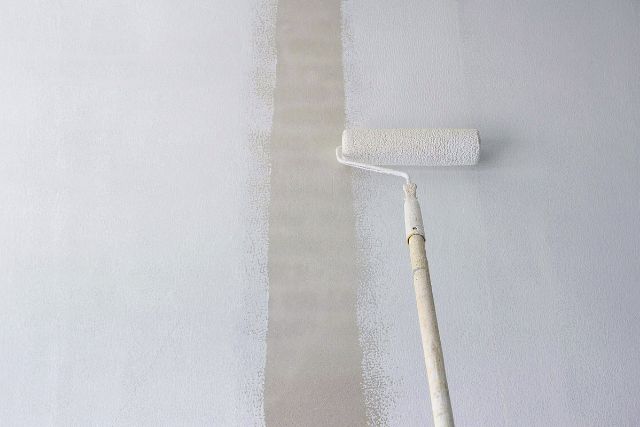
Ceiling paint and undercoat may look similar in the tin, but they serve completely different purposes. Understanding their roles is key to achieving a flawless, long-lasting finish.
Ceiling paint is formulated for:
- A flat, non-reflective finish that hides imperfections
- Easy application overhead with minimal dripping
- Limited durability since ceilings are rarely touched or cleaned
Undercoat (or primer/sealer) is designed for:
- Adhesion between the surface and the topcoat
- Sealing porous surfaces like plasterboard, timber, or filler
- Providing a smooth, uniform base that enhances the final colour
- Blocking stains, discolouration, and variations in surface texture
In short, ceiling paint is a finishing coat, while undercoat is a preparation layer.
Using ceiling paint as an undercoat often means the topcoat won’t bond properly, which can lead to premature peeling or an uneven finish.
That’s why professional painters always use each product for its intended purpose.
Too Busy for DIY?
Leave the planning and decision making to our experienced team of professional painters in Sydney.
When (and When Not) to Use Ceiling Paint as an Undercoat
There are certain circumstances where ceiling paint can work as an undercoat, but in most cases, it should be avoided. Knowing the difference will help you save time, money, and frustration.
When It Might Be Acceptable
There are a few limited scenarios where using ceiling paint as an undercoat won’t cause problems:
- Recoating an already painted ceiling that’s still in good condition. If the existing paint is sound and smooth, a light sand and a single coat of ceiling paint may be enough.
- “Paint and prime” ceiling paints. Some modern ceiling paints are formulated with built-in primer properties. Always check the label – if it says “self-priming” or “primer included,” it can safely serve as both.
- Low-use, low-humidity spaces such as spare rooms or hallways, where moisture and wear are minimal.
In these cases, ceiling paint might act as a shortcut without sacrificing performance. However, these are exceptions, not standard practice.
When It Should Be Avoided
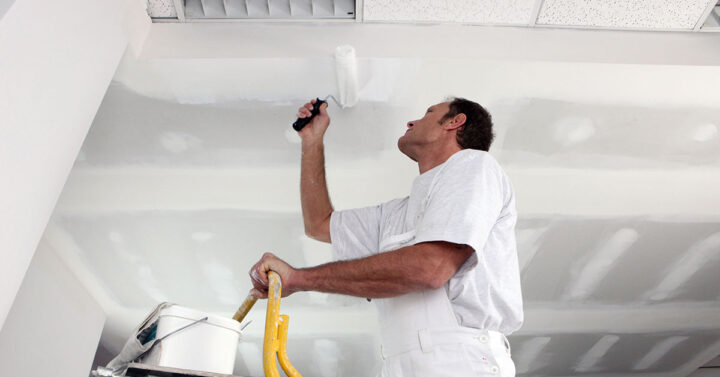
In most painting projects, using ceiling paint instead of an undercoat creates more issues than it solves. Avoid doing so if:
- You’re working on new plasterboard, Gyprock, or raw surfaces that haven’t been sealed.
- You’re changing from a dark to light colour (or vice versa), where an undercoat ensures proper coverage.
- The ceiling has stains, fire and smoke damage, or mould that could bleed through.
- You’re painting walls, trims, or timber, where adhesion and durability are critical.
- You’re painting in humid areas like kitchens, bathrooms, or laundries.
Professional painters know that using the right primer or undercoat means fewer coats overall and a longer-lasting finish – saving time and money in the long run.
Why Undercoating Matters for a Lasting Finish
A quality undercoat isn’t just about adhesion – it’s about achieving a consistent, professional result that stands the test of time. When you skip undercoating, you risk:
- Uneven colour absorption, causing patchiness or a dull finish
- Peeling or flaking paint, especially in humid environments
- Visible imperfections in walls or ceilings
- Shortened paint lifespan, meaning more frequent repaints
At Advanced Painting, every job begins with meticulous preparation.
Our Sydney painters use premium undercoats and sealers from trusted brands like Dulux and Taubmans to ensure each surface is properly sealed, smooth, and ready for topcoat application.
That’s how we deliver finishes that not only look great but also last for years.
Choosing the Right Primer or Undercoat for Your Project
Selecting the right product for your surface is crucial. Here’s how to make the right call:
For New Ceilings or Plasterboard
Use a dedicated sealer/undercoat to lock in surface porosity and prevent uneven absorption. This helps the ceiling paint sit evenly and last longer.
For Previously Painted Ceilings
If the paint is sound, lightly sand to remove gloss and apply a single undercoat to promote adhesion. A full sealer may not be necessary unless the old paint is chalky or damaged.
For Stained or Mouldy Ceilings
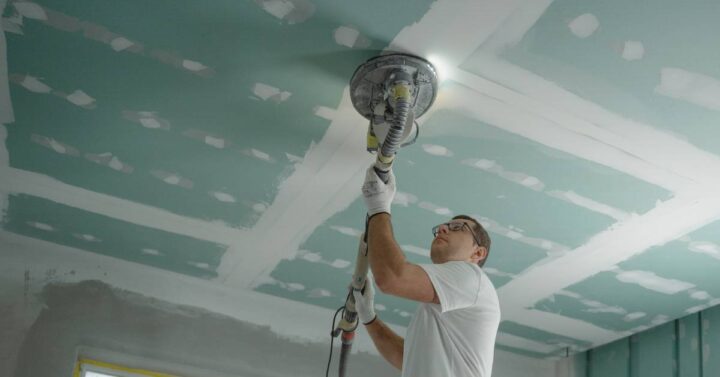
Use a stain-blocking primer or mould-resistant sealer before applying ceiling paint. This prevents discolouration and ensures the stain doesn’t bleed through the new finish.
Advanced Painting’s team always selects the right product based on the surface, condition, and environment – that’s the difference between a quick DIY job and a professional-grade result.
Professional vs DIY – What the Experts Recommend
While DIY painting can be rewarding, it’s easy to underestimate the importance of preparation. Using the wrong product or skipping steps often means redoing the job sooner than expected.
Professional painters not only understand the chemistry behind paint systems but also how to apply them for long-term performance. At Advanced Painting, we’ve perfected a process that ensures:
- Clean, even coverage with minimal disruption
- Proper surface sealing and adhesion
- Long-lasting results backed by a 5-year workmanship warranty
If you want a flawless, durable ceiling without the guesswork, our Sydney-based team is here to help.
Need Expert Advice or a Free Quote?
Contact Advanced Painting today – Sydney’s trusted painting professionals delivering precision in every stroke.
Frequently Asked Questions
Can I use ceiling paint as primer on walls?
No. Ceiling paint isn’t durable or washable enough for walls, and it won’t provide the necessary adhesion or coverage.
Do you always need an undercoat before ceiling paint?
Not always. If the ceiling is already painted and in good condition, you can usually repaint without undercoating. For bare or repaired surfaces, an undercoat is essential.
Is ceiling paint the same as sealer or primer?
No – these products serve different functions. Primer and sealer prepare the surface; ceiling paint provides the final decorative finish.
What happens if I skip the undercoat?
You may see uneven colour, poor adhesion, and peeling over time. It can also make touch-ups and future repaints more difficult.
What’s the best undercoat for plasterboard ceilings?
Use a dedicated plasterboard sealer/undercoat from a trusted brand like Dulux, Taubmans, or Haymes. These products are made to prevent absorption and ensure a smooth, even finish.
Final Word – Get It Right the First Time
While it might seem convenient to use ceiling paint as an undercoat, it’s rarely the best option. A proper undercoat sets the foundation for lasting results, smoother colour, and superior durability.
For a professional finish that adds value and beauty to your home, trust Advanced Painting – Sydney’s expert residential painters.
With over 20 years of experience, premium products, and a commitment to precision, we’ll make sure your ceilings and walls look their best for years to come.
Request your free quote today and discover why Advanced Painting is Sydney’s trusted name for residential painting excellence.