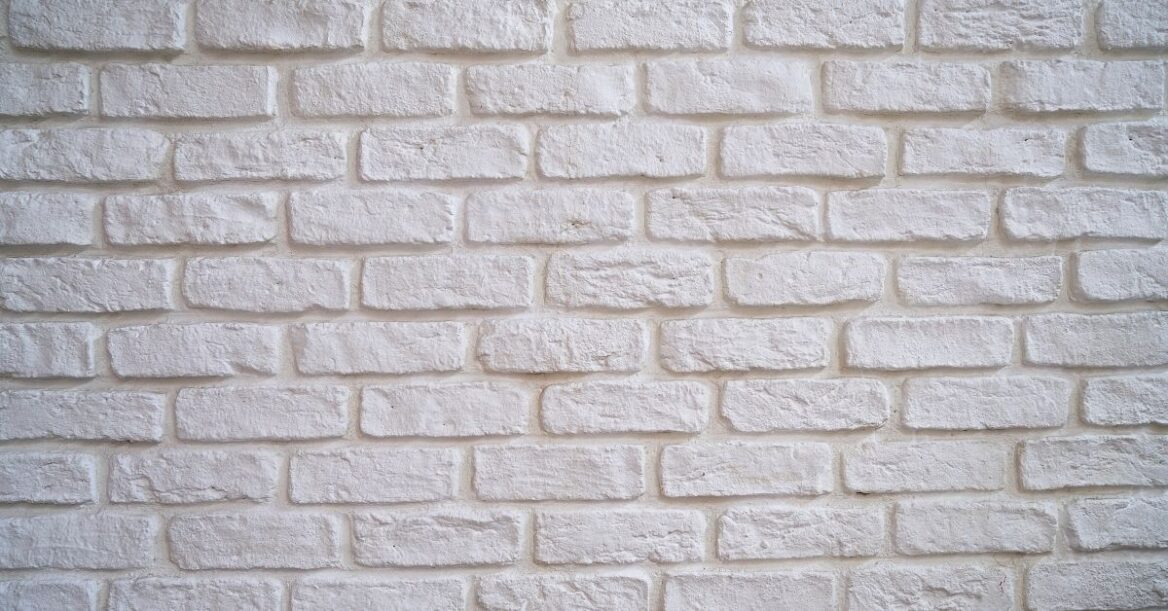
Brick walls add character to a home. But in many older houses, dark red or brown brick can also make a room feel heavy or dated. That is one reason whitewashing brick has become a popular design update in recent years.
Whitewashing softens the appearance of brick while still allowing its texture and natural character to show through. If you are considering this finish for a fireplace, feature wall, or exterior facade, it helps to understand how the process works and what results to expect.
This guide explains what whitewashing brick involves, when it works best, and what homeowners should consider before starting a project.
What Is Whitewashing Brick?
Whitewashing brick is a painting technique that uses diluted paint to create a semi-transparent finish. Instead of covering the brick completely, the mixture lightly coats the surface so the colour, texture, and mortar lines remain visible.
The result is a softer, lighter version of the original brick. Many homeowners use whitewashing to modernise darker brick walls while keeping the natural character that makes brick appealing.
Think of it as applying a light filter over the brick rather than painting it solid white. The goal is not full coverage, but a subtle finish that tones down the colour while allowing the brick beneath to show through.
Whitewashing Vs Painting Brick
While both methods involve paint, the final appearance is very different.
Whitewashing brick
- Uses diluted paint
- Allows the natural brick colour and texture to remain visible
- Creates a softer, more textured finish
Painting brick
- Uses full-strength paint
- Completely covers the brick surface
- Produces a solid, uniform colour
Painting tends to create a clean, modern look. Whitewashing keeps more of the brick’s original texture and variation.
Whitewashing Vs Limewashing
Limewashing is another technique often confused with whitewashing.
Limewash uses a mineral-based coating made from limestone rather than standard paint. It penetrates the brick and gradually develops a soft, chalky appearance as it ages.
Whitewashing uses diluted paint, which makes it easier to control and more common in residential renovation projects.
Why Homeowners Choose To Whitewash Brick
Many homeowners choose whitewashing because it lightens brick surfaces without removing their texture. This can make a noticeable difference in spaces where brick feels visually heavy.
Common reasons people whitewash brick include:
- Brightening a dark brick feature wall
- Softening bold red brick tones
- Updating older interior styles
- Creating a relaxed coastal or farmhouse look
Whitewashed brick works particularly well in living rooms, fireplaces, and feature walls where the goal is to keep texture while reducing the visual weight of the brick.
In many Sydney homes built during the 70s and 80s, interior brick walls were a common design feature. While these walls still add character, whitewashing can help them blend more naturally with modern interiors that favour lighter colours and open spaces.
When Whitewashing Brick Works Best
Whitewashing can work in many situations, but it performs best when the existing brick is in good condition and free from heavy sealers or coatings.
Common applications include:
- Interior brick feature walls
- Fireplaces or chimney surrounds
- Exterior brick facades
- Garden or courtyard brick walls
These surfaces often benefit from a lighter finish that keeps the texture of the brick while softening its colour.
The condition of the brick also matters. Highly porous brick can absorb paint unevenly, which may lead to patchy results if the surface is not properly prepared. Previously sealed brick can also prevent the whitewash from bonding effectively.
For this reason, experienced painters usually assess the surface before applying any coating. Understanding how the brick absorbs paint helps produce a consistent finish across the wall.
How Whitewashing Brick Walls Works
Whitewashing brick is simple in concept, but achieving a balanced, natural finish requires careful preparation and technique.
Step 1. Clean The Brick Surface
Brick often collects dust, grease, soot, and general household residue over time. These contaminants can prevent the paint mixture from adhering properly.
Cleaning the brick thoroughly before applying whitewash helps ensure an even result.
Step 2. Protect Surrounding Areas
Whitewash mixtures are thin and can drip during application.
Floors, furniture, and nearby surfaces should be protected with drop sheets or coverings before work begins.
Step 3. Mix The Whitewash Solution
Whitewashing typically uses standard paint diluted with water. The ratio can vary depending on how much of the original brick colour you want to show through.
A thinner mixture produces a lighter, more transparent finish. A thicker mixture creates stronger coverage.
Testing the mixture on a small area first is always recommended.
Step 4. Apply The Whitewash
The mixture is usually applied with a brush while working in small sections. Because brick surfaces are uneven, the paint naturally settles into the texture and mortar lines.
Step 5. Adjust And Blend
After applying the mixture, some homeowners lightly wipe or blend sections to control how much of the brick colour remains visible.
This step helps create the slightly varied, natural look that makes whitewashed brick appealing.
Common Mistakes When Whitewashing Brick
Whitewashing can produce attractive results when done properly. However, several common mistakes can lead to uneven finishes.
Typical issues include:
- Skipping proper surface cleaning
- Applying too much paint too quickly
- Not testing the mixture first
- Ignoring differences in brick absorption
- Working across large areas without blending sections
Brick is a porous material, and absorption can vary even across the same wall. One section may absorb paint quickly while another remains lighter.
Experienced painters usually test small sections first to understand how the brick reacts. This simple step can prevent uneven patches and help achieve a more consistent result.
How Long Does Whitewashed Brick Last?
The durability of whitewashed brick depends on where it is applied and how well the surface was prepared.
Interior whitewashed brick can last many years with minimal maintenance. Because the coating is thin, it tends to age naturally rather than peeling or cracking.
Exterior whitewashed brick may gradually weather due to sun exposure, rain, and temperature changes. In some cases, homeowners refresh the finish after several years to maintain the look.
Occasional cleaning and minor touch-ups are usually enough to keep whitewashed brick looking its best.
Should You Whitewash Brick Yourself Or Hire A Professional?
Some homeowners successfully whitewash smaller areas themselves, particularly fireplaces or single feature walls.
DIY projects may work well when:
- The wall area is small
- The brick surface is clean and unsealed
- You have time to test and adjust the finish carefully
Larger walls or exterior brick surfaces can be more challenging. Achieving consistent coverage across a large area requires careful preparation and an understanding of how brick absorbs paint.
Professional painters also work with a wide range of brick types and surface conditions. This experience helps ensure the finish looks balanced and natural across the entire wall.
For homeowners who want reliable results without trial and error, professional painting can often save time and frustration.
Professional Brick Painting And Whitewashing In Sydney
Brick surfaces require proper preparation, suitable materials, and careful application to achieve a clean, consistent finish.
Advanced Painting provides professional residential painting services across Sydney, including interior and exterior brick painting and decorative finishes. With more than 20 years of industry experience, the team focuses on careful preparation and high-quality workmanship to achieve durable, natural-looking results.
If you are considering updating a brick feature wall, fireplace, or exterior facade, speaking with an experienced painter can help you choose the best approach for your home.
Frequently Asked Questions About Whitewashing Brick
Homeowners often have practical questions before deciding whether to whitewash brick. The answers below cover some of the most common concerns, from suitability and durability to paint choices and long-term results. Understanding these basics can help you decide whether whitewashing is the right option for your home.
Can You Whitewash Any Type Of Brick?
Most brick surfaces can be whitewashed, but the condition of the brick matters. Previously sealed or painted brick may require additional preparation before a whitewash can be applied successfully.
What Paint Is Used To Whitewash Brick?
Whitewashing usually uses standard interior or exterior paint diluted with water. The ratio is adjusted depending on how transparent you want the final finish to appear.
Is Whitewashing Brick Permanent?
Whitewashing is considered semi-permanent. Because the paint mixture absorbs into the brick, it can be difficult to completely remove. However, the surface can usually be repainted if a different finish is desired later.
Can Whitewashed Brick Be Painted Later?
Yes. If you later decide you prefer a solid colour, the brick can be primed and painted over the whitewashed surface.
Does Whitewashing Damage Brick?
When applied correctly, whitewashing does not damage brick. The key is ensuring the surface is clean and breathable so the coating bonds properly.
Is Whitewashing Better Than Painting Brick?
It depends on the desired look. Whitewashing keeps the natural texture and colour variation of the brick visible, while painting produces a completely uniform finish.
Final Thoughts On Whitewashing Brick Walls
Whitewashing can transform the appearance of brick while preserving its natural texture and character. For many homeowners, it offers a simple way to lighten darker brick surfaces and create a softer, more contemporary interior style.
Preparation and technique play a major role in the final result. Because brick absorbs paint differently across surfaces, testing and careful application help ensure a consistent finish.
If you are planning to update a brick wall, fireplace, or exterior facade, professional advice can help you achieve a finish that complements the style of your home.